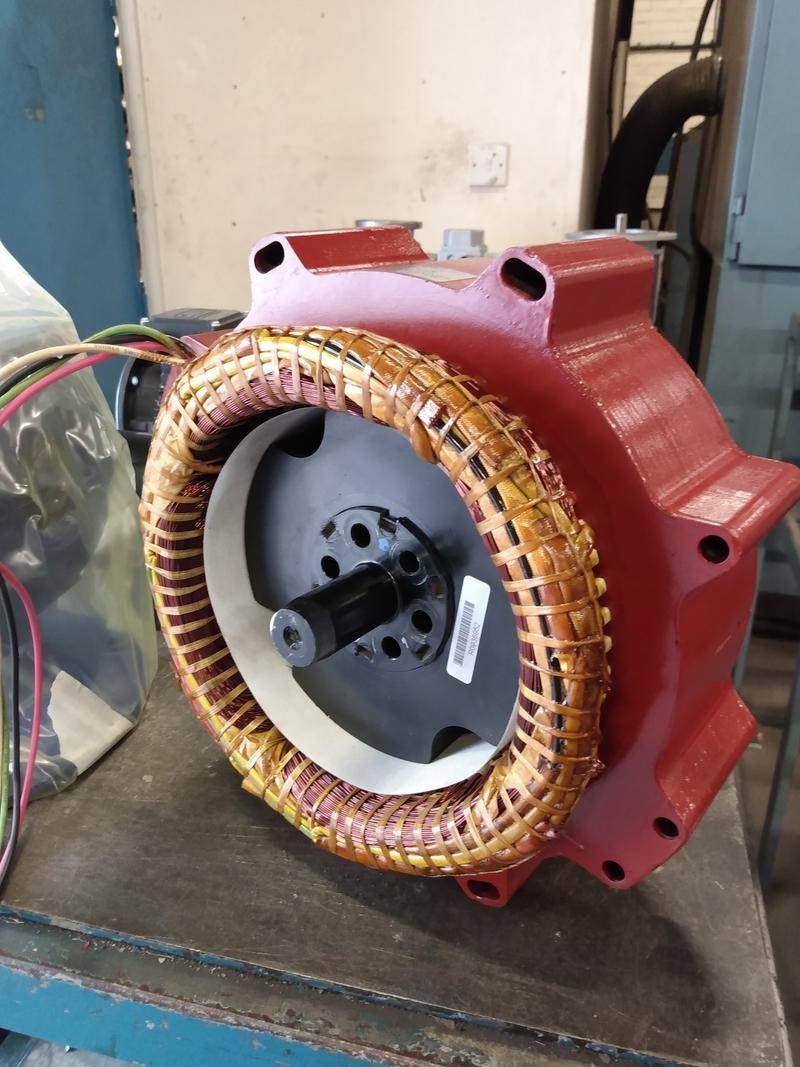
We are electric motor experts, not only do we manufacture our own range of Vibrator Motors, we have been overhauling and rewinding AC and DC motors at our Grantham and Peterborough workshops for more than 30 years.
Our extensive testing and repair facilities mean we are quickly able to diagnose the fault with your motor and offer a suitable level of service to keep your plant running. We also keep large stocks of standard IEC motors to be able to give you options when time is of the essence. The same workshops handle pump repair, so a complete drive system can be dealt with in one place.
With almost 80 years in the UK electric motor industry we understand electric motors and common failures modes, this enables us to advise where other items in your production may be affected and require attention.
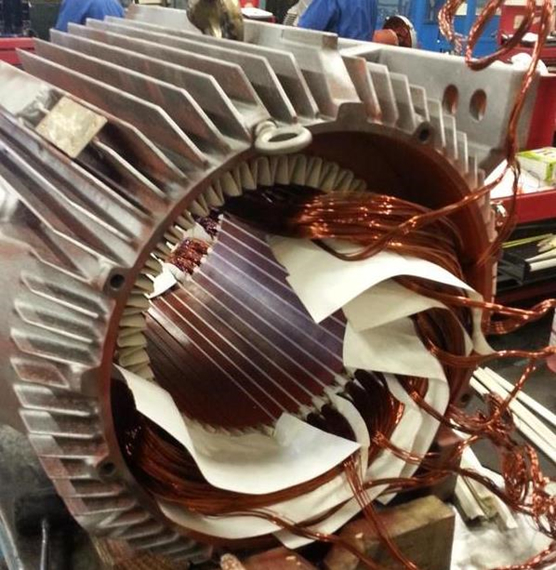
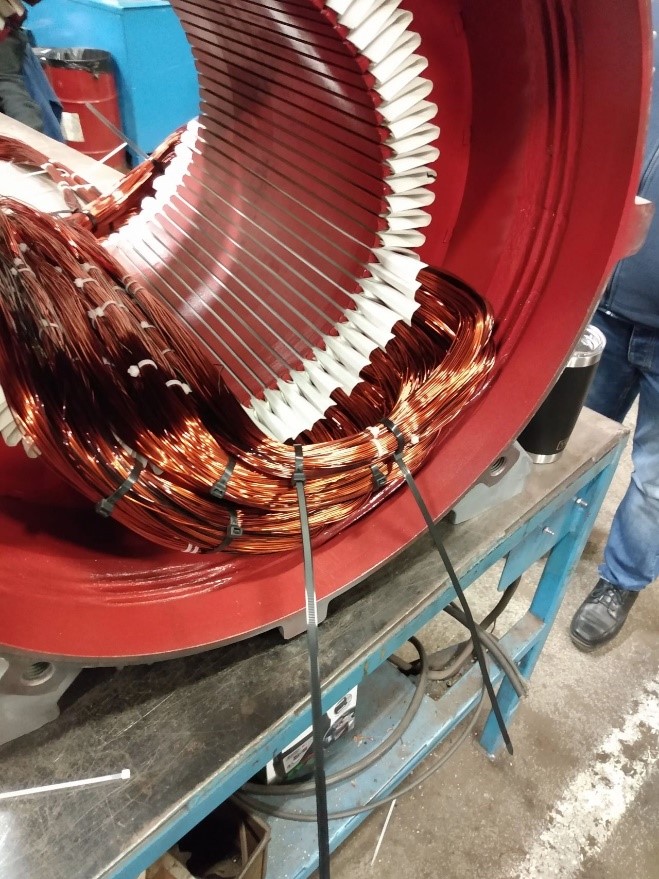
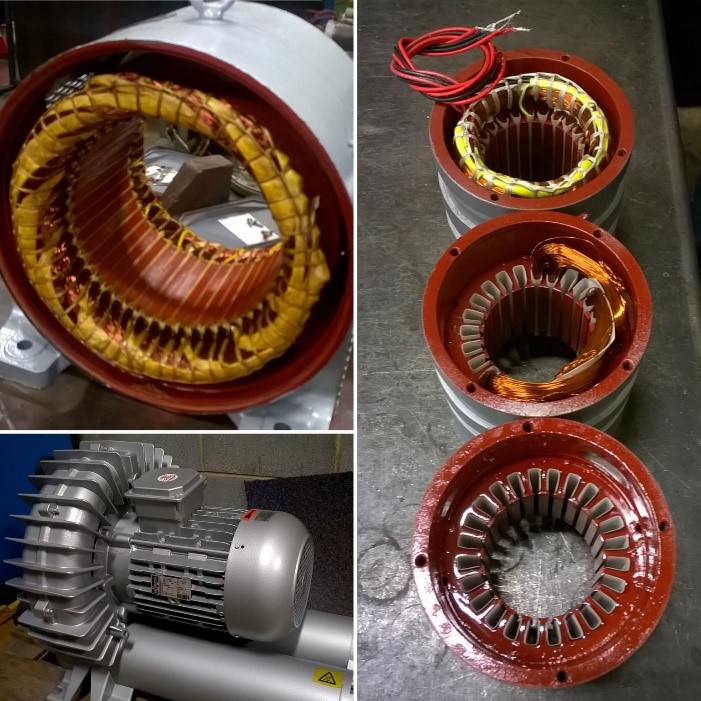
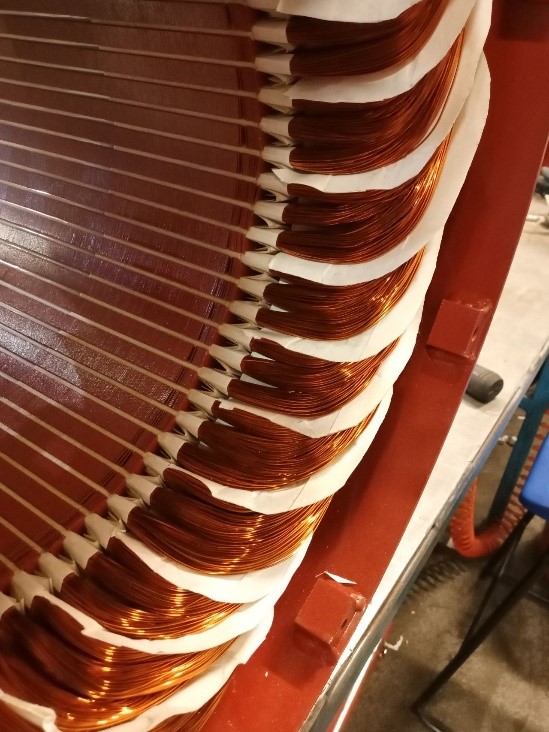
Our team of trained and experienced stator winders carry out rewinds to the original manufacturers specifications using high quality materials to help extend the life of your equipment.
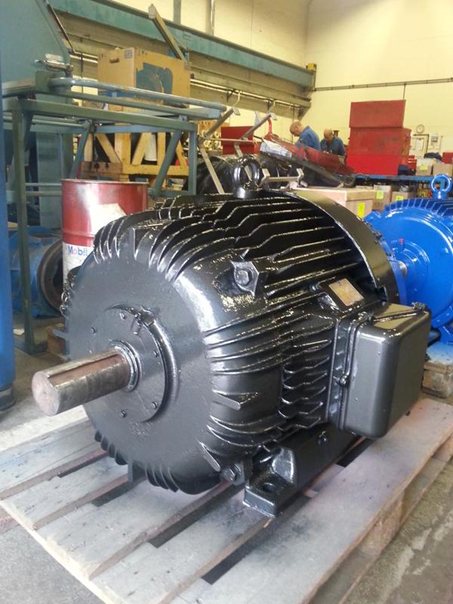
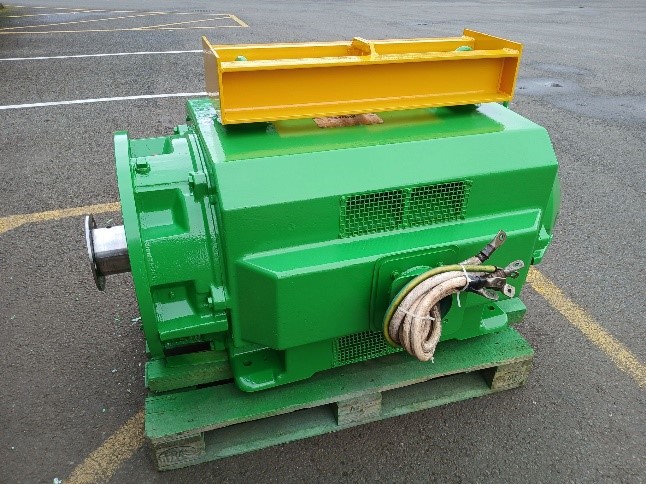
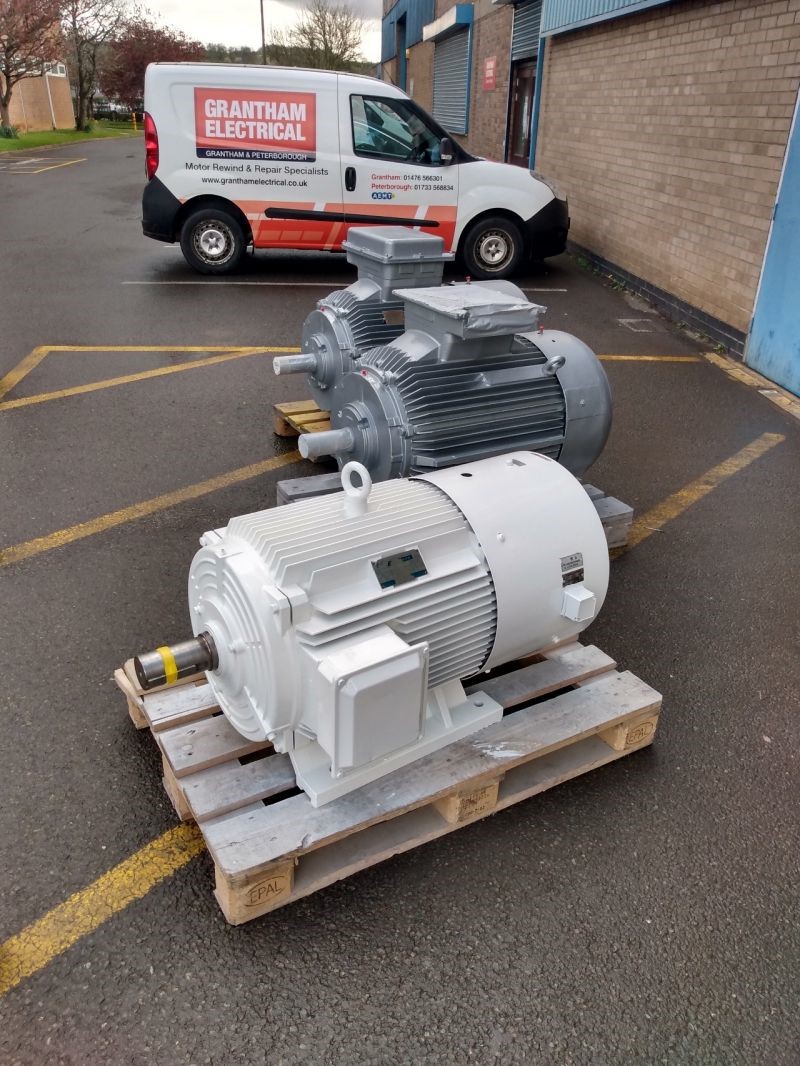
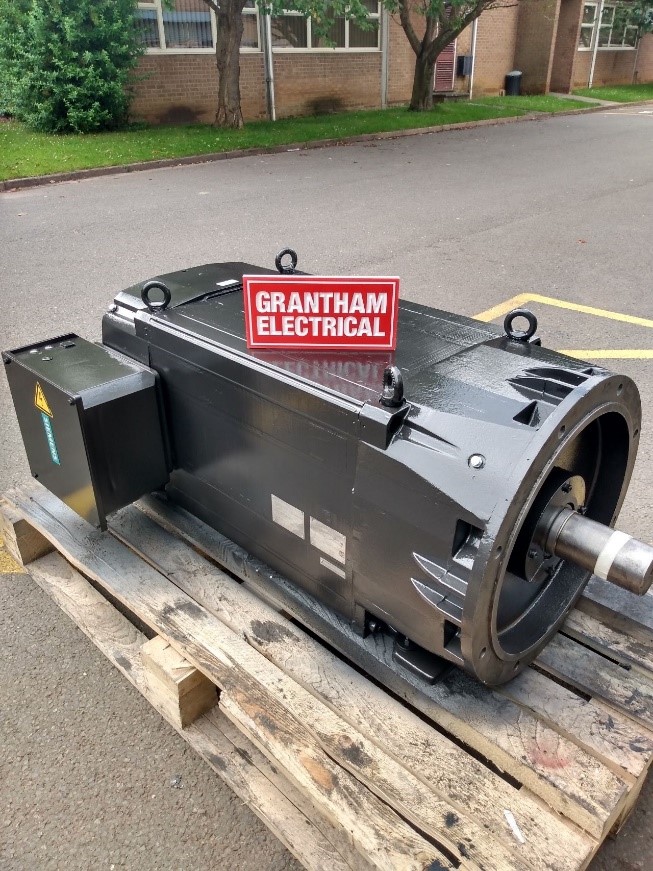
Once units are rewound, varnished and baked in one of our temperature controlled ovens our time served engineers complete the task by reassembling the motor only using quality branded bearings, seals and components. The finished motor is then run test in our dedicated test area to ensure it performs correctly before being spray painted and returned to site.
Depending on your level of urgency we can offer differing levels of service – please discuss your requirements with us today to see how we can help!
Check our FAQs and see if your question has already been answered. Still not found what you’re looking for? Head over to our contact page.
Yes, and for most industrial motors it is the sensible option. Rewinding means stripping the old winding out, cleaning and reinsulating the core, fitting new copper windings to the original specification, then varnishing, baking, reassembling and testing. Done properly it restores the motor to its original performance.
It follows the frame size, the kilowatt rating and the winding configuration, so there is no single figure. The larger the motor, the stronger the case for a rewind over replacement. We strip, inspect and quote before any work begins, so nothing is committed on an estimate.
There is no fixed limit. What matters is the condition of the stator core, which is tested before rewinding. If the core is sound the motor can be rewound repeatedly. If core losses have risen, the honest answer is that a rewind will not restore full efficiency, and we will tell you that.
Bearing failure leads, followed by overload, single phasing, moisture ingress, contamination and poor ventilation. The burn pattern in a failed winding usually identifies which, and that matters because fitting a rewound motor back into the same conditions gets you the same result.
A burning or acrid smell, visible scorching at the windings, tripping the overload immediately on start, or an insulation resistance test reading near zero. An insulation test is the definitive check, and it takes a couple of minutes.
Single phasing is the classic one, where the motor loses a phase and the remaining two overheat quickly. Alongside that, overload, bearing failure, moisture and voltage imbalance. Single phasing does severe damage in minutes, so protection settings are worth checking.
Our Grantham and Peterborough workshops both carry out rewinds, covering Lincolnshire, Cambridgeshire and the East Midlands. Collection can be arranged where the motor is difficult to move, and equipment is also sent in from further afield.
The old winding is stripped and the core cleaned and tested. New copper is wound to the original data, insulated, then the whole stator is varnished and baked to lock it in place. The motor is reassembled with new bearings and tested for insulation, resistance, current and vibration.
A repair fixes the specific fault, usually bearings, seals or connections. A refurbishment goes further and returns the motor to as new condition, including a rewind if the insulation is tired, new bearings throughout, and machining of any worn housings.
Yes. Generator and alternator stator and rotor windings are rewound in the same way as a motor, with the extra step of checking the excitation system and testing output once the unit is rebuilt.
They can. DC work covers armature rewinds, field coils, commutator repair and brush gear, alongside the usual bearings and shafts. DC motors often outlive their manufacturer's support, which is where machining replacement parts on site becomes useful.
Strip down, cleaning of the windings, new bearings and seals, inspection of the shaft and housings for wear, insulation resistance testing, regreasing and reassembly, then a run test before return. You get the test results with the motor.
A Division of:

Registered in England And Wales – 415925
Registered address: Harlaxton Road, Grantham, Lincolnshire, United Kingdom, NG31 7SF
Registered for VAT: 610 425 096
Copyright ©Grantham Engineering Ltd