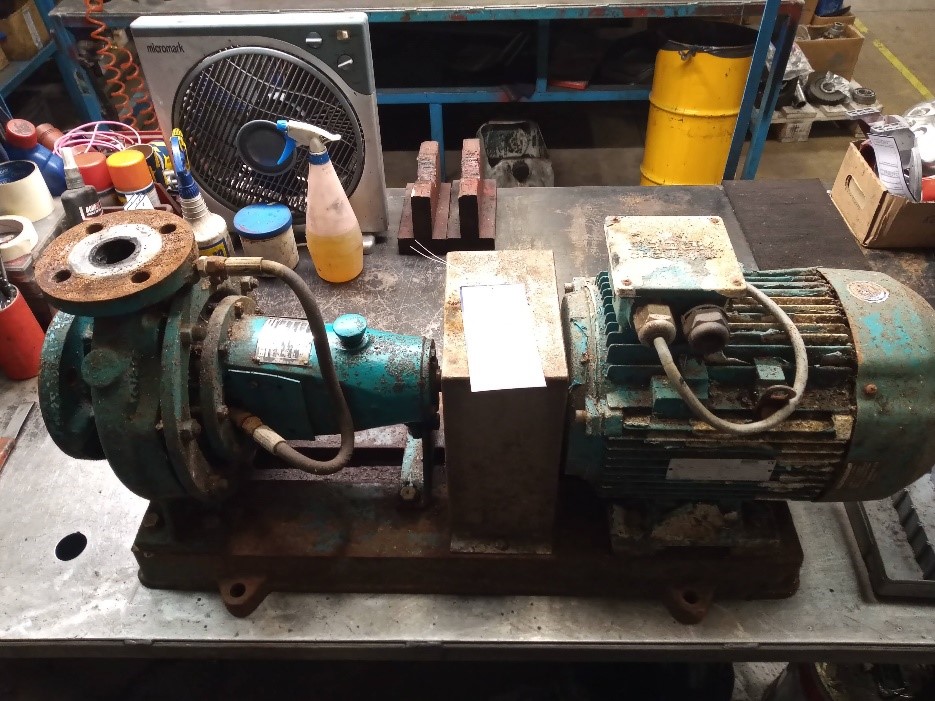
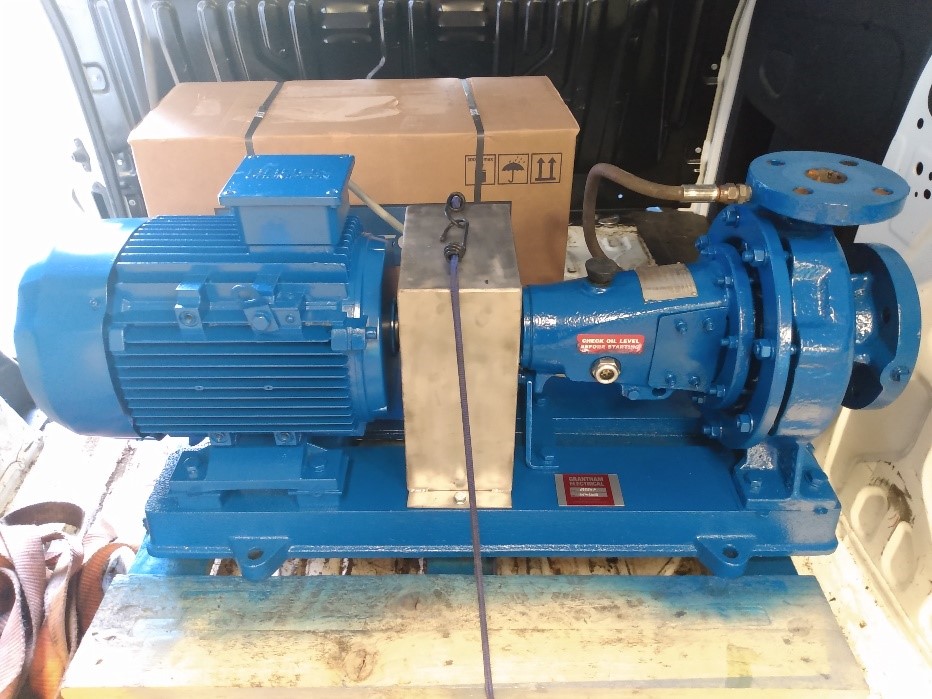
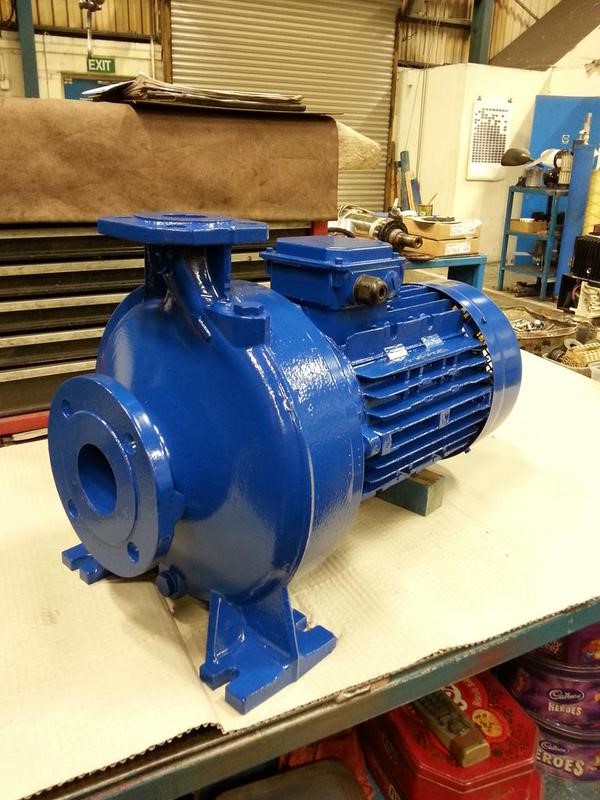
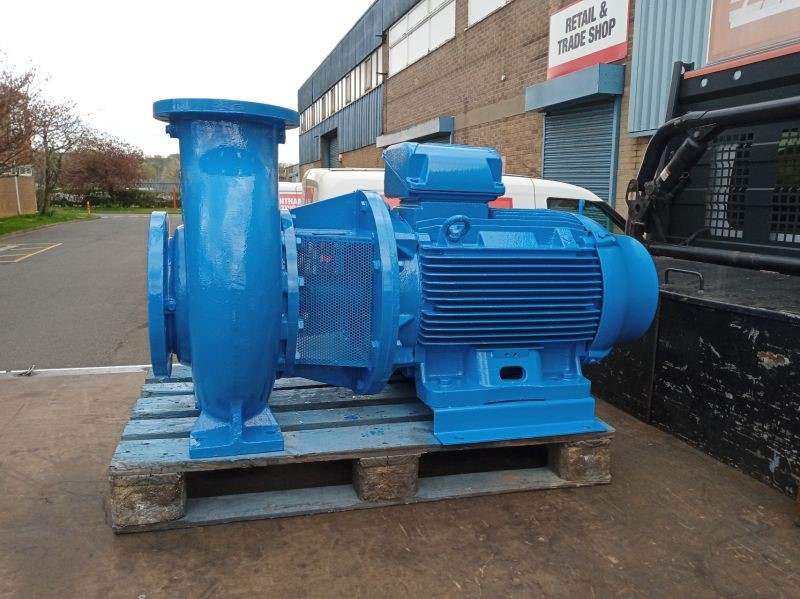
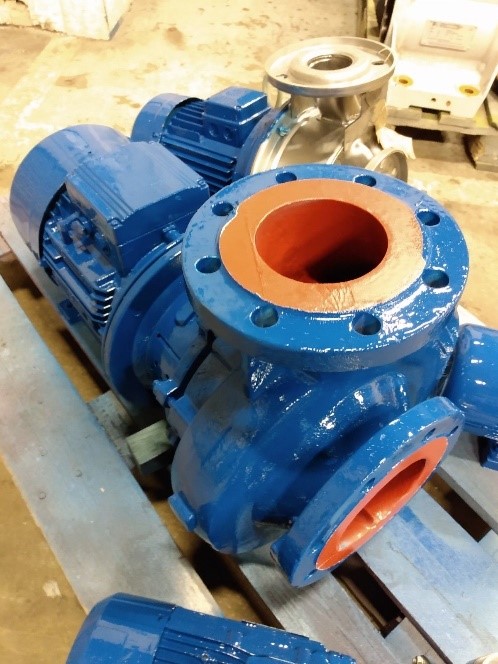
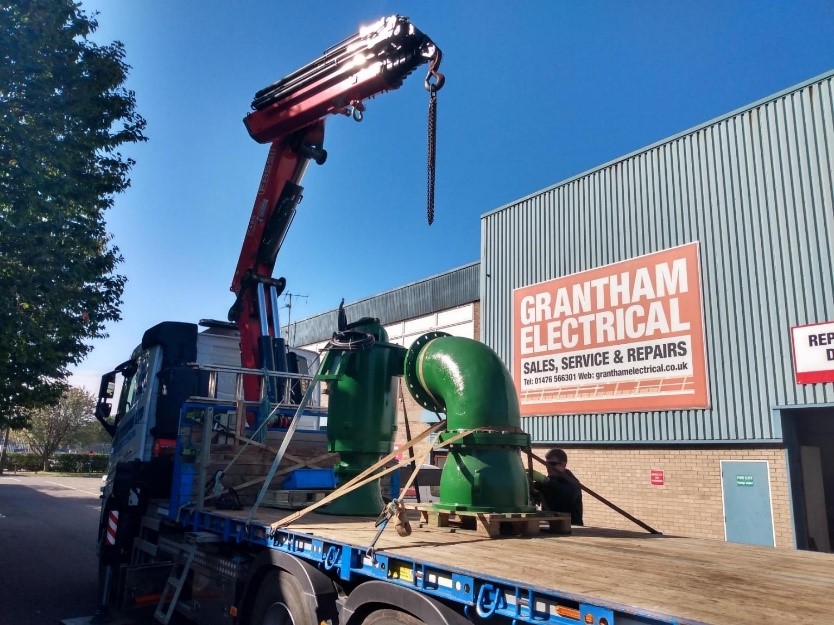
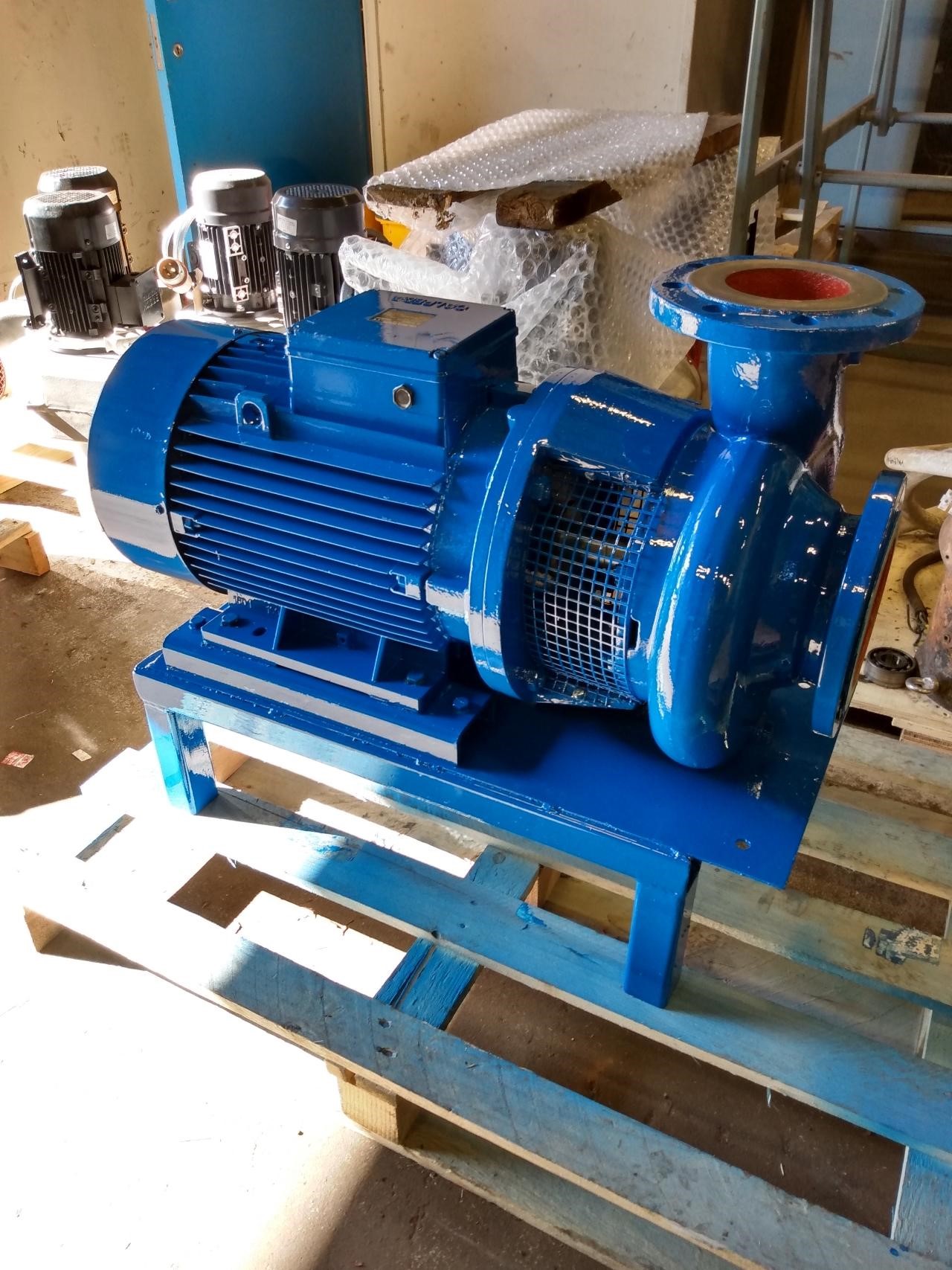
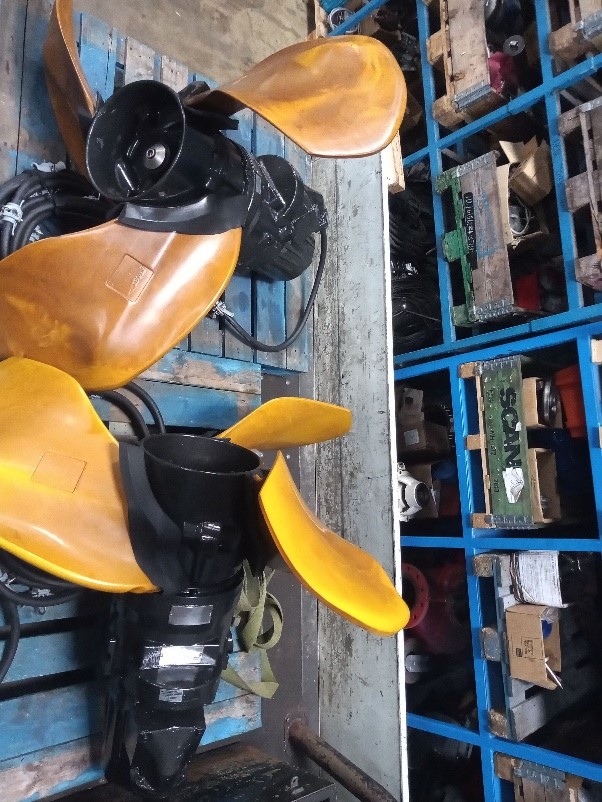
Both of our electro-mechanical workshops have many years’ experience in the servicing and repair of pumps.
From standard end suction pumps to liquid ring vacuum pumps our engineers have the knowledge of what to look for when it comes to identifying and repairing faults in your equipment.
Following strip down and inspection we collate details of key measurements critical to ensuring that pumps will produce the flow and pressure that you require.
We only use manufacturers original spares to ensure longevity of your pump in process although where parts are obsolete or on long leads times we are able to have many parts reverse engineered to the same standards.
Once pumps have been reassembled by our skilled engineers we are able to conduct pressure and run testing so that you can be assured the unit will operate correctly once it is fitted back in place.
In instances where pumps are not lasting in your process or the mean time between failures is too short we are able to advise on the best solution for your repair. Working with market leading manufacturers both for pumps and for items such as bearings and mechanical seals we can help advise on the root cause of failure and suggest improved products and materials to help overcome the issue and extend pump life.
Why not talk to us today about your pump failures?
Check our FAQs and see if your question has already been answered. Still not found what you’re looking for? Head over to our contact page.
Strip and clean it, inspect the impeller, shaft, wear rings, bearings and seals, replace or machine what is worn, then rebuild, align and test against the rated duty. The inspection stage is where the real diagnosis happens.
A decade or more is common in maintained service. Seal and bearing changes at the right interval, and correct suction conditions, matter far more than the age of the unit.
Seal failure and bearing wear, usually feeding each other. Worn bearings let the shaft move, the seal then leaks, and the leak accelerates the bearing failure. Cavitation and impeller wear follow close behind.
Vapour bubbles forming in the low pressure region at the pump inlet and collapsing violently as pressure rises. It sounds like gravel going through the casing and it erodes the impeller quickly.
The noise is distinctive, like pumping gravel, along with vibration, fluctuating discharge pressure and falling flow. Pitting on the impeller when it is stripped confirms it.
Improve the suction conditions. Raise the liquid level, shorten or straighten the suction pipe, remove restrictions, clear a blocked strainer, or reduce the speed. Repairing the impeller without fixing the cause just buys time.
Yes, and quickly. The collapsing bubbles pit and erode the impeller and casing, and the vibration that comes with it shortens bearing and seal life at the same time.
Dry running, then contamination in the fluid, misalignment and vibration. It is worth finding which, because a new seal fitted into the same conditions fails the same way.
A worn mechanical seal or packing, frequently accelerated by bearing wear letting the shaft move. Replacing the seal without checking the bearings and shaft usually means it leaks again.
It depends on size and fault. A mechanical seal is a modest job, an impeller and shaft replacement is more. We inspect and quote first so there are no surprises.
Yes. With machining facilities on site we can manufacture shafts, wear rings and other components where the original is obsolete or on a long lead time.
Yes, and we would recommend it. Pumps and their drive motors fail together more often than people expect, so the motor is tested while the unit is with us.
A Division of:

Registered in England And Wales – 415925
Registered address: Harlaxton Road, Grantham, Lincolnshire, United Kingdom, NG31 7SF
Registered for VAT: 610 425 096
Copyright ©Grantham Engineering Ltd